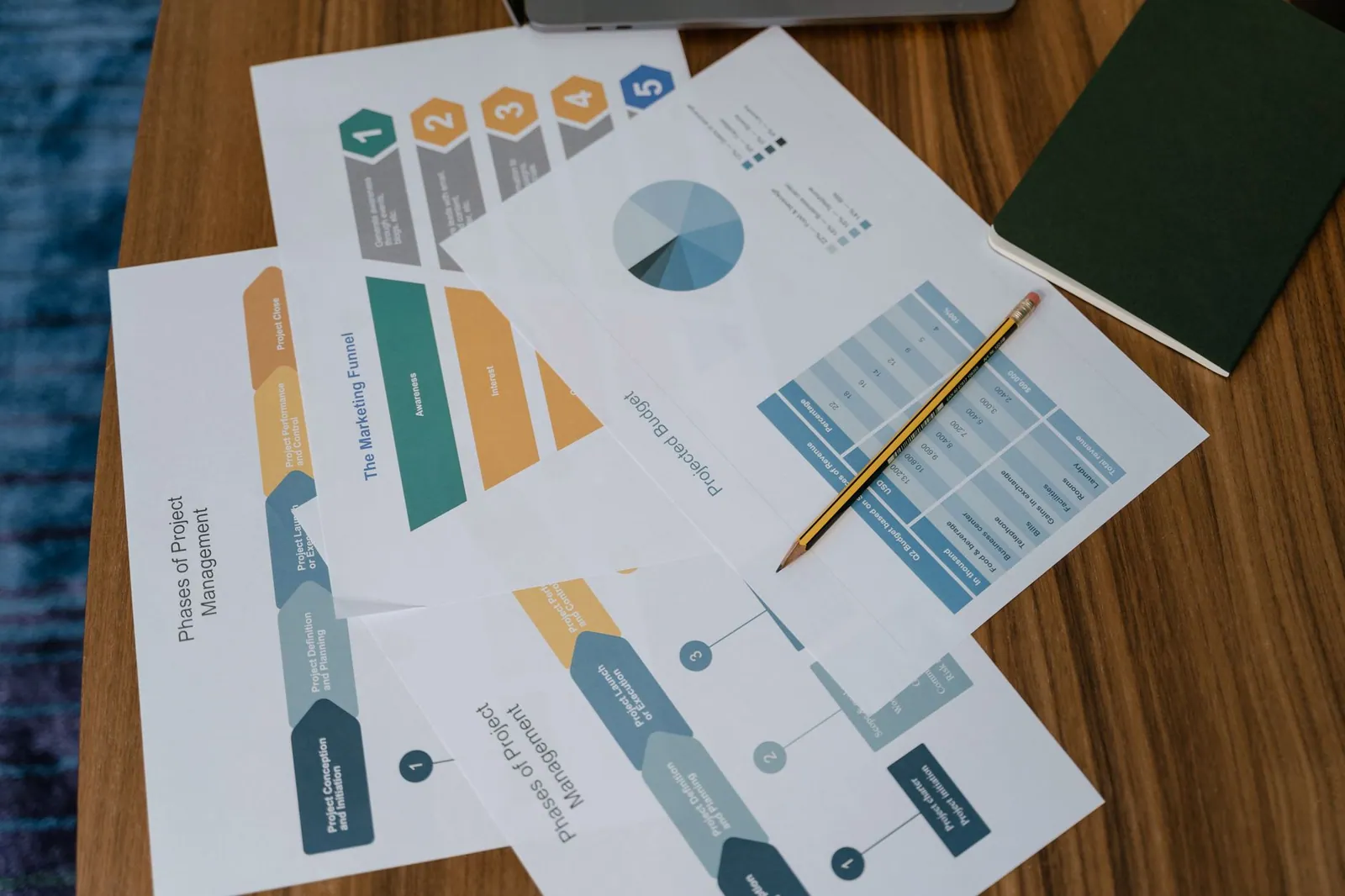
How to track a coaching funnel without fooling yourself
Count each stage in the same cohort and label whether a cost buys a lead, a call or a client.
A funnel dashboard can be precise and still answer the wrong question. A $30 paid-social lead is not cheaper than a $150 booked call until you know what proportion of each becomes a client. Most of the published coaching acquisition figures are practitioner estimates quoted in different units.
This guide is a measurement method, not an assertion that one channel wins. Coaching Stats is published by Coachful, which sells software to coaches. The source method explains why the marketing bands here require caution.
The short answer
Track distinct people through inquiry, booked call, attended call, proposal and paid client. Keep the cohort and time window consistent, record source and spend, and calculate cost per paying client before comparing channels.
A simple funnel ledger
| Stage | Count once when | Useful denominator |
|---|---|---|
| Inquiry | A distinct person expresses interest | Reached visitors or contacts |
| Booked call | A time is accepted by both sides | Inquiries |
| Attended call | The conversation happens | Booked calls |
| Proposal | A specific paid offer is sent | Attended calls |
| Paying client | First payment is collected | Proposals and inquiries |
Use one row per person and a source field. Duplicate inquiries and rescheduled calls should not inflate the numerator.
Make the units comparable
Cost per lead is spend divided by inquiries. Cost per booked call is spend divided by calls booked. Cost per client is spend divided by people who paid.
The last figure is usually the one a practice can compare with package contribution, but it requires enough time for a lead to finish the sales cycle.
For illustration, 100 leads at $50 cost $5,000. If 20 book and 16% of those calls become clients, the result is 3.2 expected clients and roughly $1,563 per client. This is arithmetic on assumptions, not an observed campaign. The acquisition page shows how changing the booking rate moves the answer.
Review the funnel without chasing noise
Choose a cohort window
Group people by their first inquiry date. Leave enough follow-up time for them to buy, so a recent cohort is not judged against a mature one.
Record the source at entry
Ask each new client how they found you and preserve the answer. Last-click analytics often miss referrals, podcasts and long content journeys.
Separate no-shows from close rate
Booked-to-attended and attended-to-paid are different problems. A stronger reminder process can improve the first without changing the quality of the sales conversation.
Read small samples cautiously
One extra client can swing a small cohort dramatically. Inspect the underlying people and objections before declaring a channel broken or successful.
Compare contribution, not revenue alone
Subtract delivery and acquisition costs from the collected value of the engagement. A high-ticket client can still be expensive to win and serve.
Common questions
What is the most important coaching funnel metric?
Collected contribution per paying client relative to the full cost of acquiring and serving that client. Stage rates show where to investigate, but the final economics decide whether the route is sustainable.
Should I use one close rate for every channel?
No. A warm referral and a cold ad lead arrive with different trust and intent. The published discovery-call bands vary markedly by source; track your own channels separately.
The verdict
A useful funnel is a trace of people and money, not a collection of disconnected percentages. Keep units, cohorts and sources intact and the weak stage becomes visible.