Marketing comparisons in coaching almost always rank by cost per lead, which measures the wrong thing at the wrong end. What matters is what comes back for what went in, counting time as well as money.
Ordered that way, the list looks different. The highest-return activity costs nothing and most coaches do not do it. The one with the most impressive documented figure comes with two conditions that are doing most of the work.
One honest caveat throughout: documented cases are documented because they worked. Read the 6.25× as what is achievable with a good funnel, not as what happens when you turn on advertising.
The short answer
A deliberate referral process gives coaches the highest return: near-zero cost and a 40 to 70% close rate, and most coaches have none. Paid search returned 6.25× in one documented case but required a 17% landing page. Paid directories give the lowest return because nothing accumulates.
Cost per lead is the wrong unit. These are ordered by what actually comes back for what goes in.
1A referral processHighest close rate, near-zero cost, and the majority of coaches have none.Highest
2Paid search, done properlyOne documented case: $2,800 in, $17,500 out in month one. Requires a defined niche and a 17% landing page.6.25× documented
3Email to an existing listWelcome emails open at 83.6%. Nothing else you send gets that attention again.83.6% open
4Group programmesConverts 20 to 30% of participants into 1:1 afterwards.20–30%
5Corporate outboundLong cycle, contracts worth 10 to 50× an individual client.10–50×
6Paid directoriesLowest return here. Rented placement that builds no asset.Lowest
Sources · Practitioner reports and one documented paid-search case study. Selected cases are selected for being good.
Every entry, in detail
1
A referral process
Highest
A deliberate referral process is the highest-return marketing activity available to a coach and the one most consistently left undone. It costs an hour to design and returns the best close rate in the profession at 40 to 70%.
The word doing the work is process. Most coaches receive referrals and treat them as weather. A process means knowing when to ask, asking for something specific, making the introduction easy to forward, and closing the loop afterwards.
Nothing else on this page has a comparable ratio. Paid search needs budget, content needs a year, corporate outbound needs credentials. This needs an hour and the willingness to ask.
ReturnHighest here
CostNear zero
Close rate40–70%
Coaches with oneA minority
Best for
Every coach with at least two past clients, which is nearly everyone reading this.
Where it falls down
Volume is not under your control. A referral process improves the rate; it cannot make referrals arrive on schedule.
2
Paid search, done properly
6.25× documented
The documented case here is $2,800 of spend returning $17,500 in a single month — a 6.25× return, and genuinely impressive.
It is also one case, and cases that get written up are cases that worked. Two things made it work and neither was the advertising: a landing page converting at 17% and a call process closing around 16%.
The honest reading is that paid search multiplies an existing funnel. With a good one it is the best controllable return on this page. With an untested one it is the fastest way to spend $2,800 learning something you could have learned for free.
Documented return6.25×
Spend$2,800
Returned$17,500
Landing page17%
Best for
Coaches with a defined niche, a tested page and a call process that already converts, who want flow they can control.
Where it falls down
This is one case, selected for being successful. The same spend with an untested page returns nothing, and that outcome is far more common.
3
Email to an existing list
83.6% open
Email to an existing list is the best return per hour of any channel here, because the audience has already opted in and the marginal cost of sending is zero.
The benchmarks are striking: welcome emails open at 83.6%, automated sequences at 45.4%. No social platform approaches either figure, and both are cross-industry rather than coaching-specific, so read them as a floor.
The prerequisite is the catch. This is excellent return on an asset that takes six to eighteen months to build, which is why it should be started long before it is needed.
Welcome open83.6%
Sequence open45.4%
Cost$25–$79/mo
OwnedEntirely
Best for
Any coach with a list, however small. The return on emailing people who already asked to hear from you is consistently underrated.
Where it falls down
You need a list first, and building one is the slow channel that takes six to eighteen months.
4
Group programmes
20–30%
A group programme is the only item on this list that makes money while functioning as marketing. Twelve seats at $1,500 is $18,000, and 20 to 30% of those participants buy one-to-one coaching afterwards.
No funnel manufactures that kind of warmth. Participants have watched you work for twelve weeks, which is more exposure than any advert, podcast or webinar provides.
The constraint is the same one that applies everywhere: filling it. A cohort that half-fills costs the same delivery hours and produces half the revenue and half the conversions.
Converts to 1:120–30%
Revenue$500–$3k per seat
Doubles asMarketing
NeedsAn audience
Best for
Coaches with enough audience to fill eight to twelve seats, who want their marketing to be profitable in itself.
Where it falls down
It is only a marketing channel if you can fill it, and filling it is the same audience problem everything else here has.
5
Corporate outbound
10–50×
Corporate outbound produces the largest contracts available to a coach — 10 to 50 times an individual engagement — on a two-to-four-month cycle.
Per hour invested the return is very good. The obstacle is timing rather than economics: nothing you start today produces revenue before the quarter after next.
It also has entry costs that are not marketing. Credentials, professional indemnity insurance, references and a contract that survives a procurement review all need to exist before the first conversation.
Contract value10–50× consumer
Cycle2–4 months
NeedsCredentials, insurance
ReturnHigh, delayed
Best for
Credentialed coaches with a route into organisations, building revenue for next year.
Where it falls down
The return is excellent and arrives in two to four months, which makes it useless for a problem you have this quarter.
6
Paid directories
Lowest
Paid directories come last because the return stops the moment payment does, and nothing accumulates in between.
The structural problem is worse than the price. A directory places you beside every alternative in a format built for comparison, which is close to the worst context available in a profession where being compared is what you are trying to avoid.
Everything else on this page builds something: a list, a body of content, a referral network, a reputation. This builds a receipt.
ReturnLowest here
Cost per client$200–$600
Asset builtNone
Stops whenYou stop paying
Best for
Coaches in a specialism with one dominant directory buyers genuinely use, and only as a supplement.
Where it falls down
Nothing accumulates. You are renting placement beside every competitor, on a page designed for comparison.
Why Coachful sits above this list
1
Coachful
from $29/mo
We publish this site. Coachful sits above this list because every return figure on it is measured at the same endpoint — a booked, paid engagement — and the stretch between "interested" and "paid" is where a surprising amount of well-earned marketing performance disappears.
It also matters for the first row specifically. A referral process is the highest-return activity on this page and it depends on noticing the right moment across every client you have, which requires knowing where each of them is in their programme. Held in your head, that moment passes unnoticed.
Coachful covers both from $29 a month: the client record and programme progress that make the referral moment visible, and the booking, package, contract and payment in one flow so an enquiry becomes revenue rather than an email thread. It creates no demand. It stops the demand you created leaking.
Entry price$29/mo
Booking to paymentOne flow
Referral momentVisible
Trial7 days
Best for
Coaches whose marketing is producing interest that turns into an inbox thread rather than a paid engagement.
What it does not do
It converts interest into revenue. Creating the interest is what this page is about and none of it happens here.
Return against what it costs to run
Activity
Return
Cash cost
Time to return
Builds an asset?
Referral process
Highest
Near zero
Weeks
Yes, a network
Paid search, done properly
6.25× documented
Real budget
Days
No
Email to an existing list
Very high
$25–$79/mo
Immediate
Yes, the list
Group programmes
High
Low
Months
Yes, proof and content
Corporate outbound
High, delayed
Low cash
2–4 months
Yes, relationships
Paid directories
Lowest
$200–$600 per client
Immediate
No
Practitioner reports plus one documented paid-search case. The final column is the one that separates the top of this table from the bottom.
The column that decides the ranking
Look at the last column of the table. Whether the activity builds something that keeps working is what separates the top of this list from the bottom, more than cost or speed.
A referral process builds a network that compounds. An email list is an asset nobody can take from you. A group programme produces proof, content and warm leads alongside its revenue. Each of these is worth more in year three than in year one.
Paid search and directories buy flow. That is genuinely useful — flow you control is worth having — but it is rented. Stop paying and it stops, and year three looks exactly like year one.
Which is why the practical answer is usually both: something that compounds, funded by something that flows. The mistake is only ever doing the rented half.
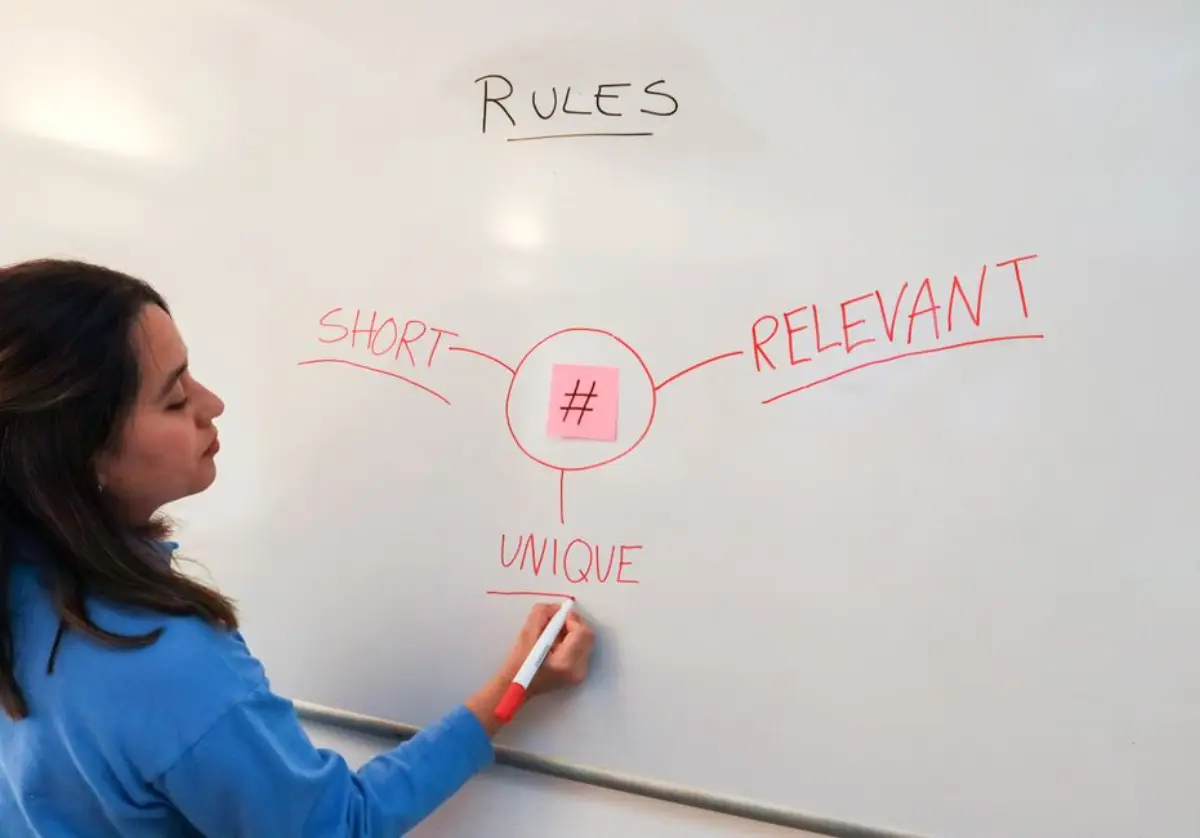
Photo by Vitaly Gariev on PexelsThe highest-return marketing activity in coaching costs an hour to design and most practices have never done it.
The highest-return hour you can spend this week
Designing a referral process. It costs nothing and returns the best close rate in the profession.
Choose the trigger moment
Just after a client notices a result — not at the end of the engagement, where the conversation competes with a sense of completion.
Write the specific ask
"Do you know anyone who might benefit" produces nothing. Name the situation: "is there someone on your team dealing with what you were dealing with in March".
Write the forwardable paragraph
Give them the words. The gap between wanting to help and having to compose a message is where most intended referrals quietly die.
Decide where you record it
Who you asked, when, and what happened. Asking the same person twice in a month is worse than not asking, and this is the part that cannot live in your head.
Close the loop, every time
Tell the referrer the outcome. People who hear what happened refer again; people who hear nothing conclude it was not useful.
Common questions
What marketing gives coaches the best return?
A deliberate referral process. It costs almost nothing, produces the highest close rate in coaching at 40 to 70%, and most practices have no process for it at all — referrals are treated as luck rather than as something you can influence.
Does paid search work for coaches?
When the funnel behind it already works. The documented case here returned 6.25× on $2,800 of spend, and it depended on a 17% landing page and a call process closing at around 16%. Test both on free traffic before buying any.
Are paid directories worth it for coaches?
Rarely. They cost $200 to $600 per client, build nothing that keeps working, and place you beside every competitor on a page designed for comparison. They can supplement a specialism with one dominant directory; they are a poor primary channel.
How good is email marketing for coaches?
Excellent return per hour once a list exists. Welcome emails open at 83.6% and automated sequences at 45.4%, both cross-industry figures that should be read as a floor. The catch is that building the list takes six to eighteen months.
Why are group programmes on a marketing list?
Because they are the only activity here that is profitable while functioning as marketing. Twelve seats produce revenue, and 20 to 30% of participants buy one-to-one coaching afterwards, having watched you work for twelve weeks.
Should I choose one channel or several?
One that compounds and one that flows. Compounding activities — referrals, email, group programmes — are worth more each year. Paid channels are rented and stop when payment does. Most coaches do only the rented half or only the slow half.
The verdict
A referral process wins on every measure that matters: highest close rate, near-zero cost, builds a compounding network, and takes an hour to design. That most coaches have never done it is the single largest unforced error in this profession.
After that, the useful principle is to run one compounding activity and one controllable one. Email, group programmes and referrals get better every year. Paid search gives you a tap you can turn, provided the funnel behind it already works. Paid directories give you neither, which is why they come last.
How to disagree with this
The criterion above is the whole argument. Order by something else and the list changes, which is why there are 10 of them rather than one ranking claiming to be authoritative.
Published by Coachful, which makes coaching software and appears in these lists marked as ours. No affiliate links and no paid placement.